WEEK 3:
Meet the People
Discover the people, culture, daily life, joys, challenges, and faith stories of Egypt so we can pray with understanding, compassion, and love.
Egypt is more than pyramids and history. It is home to families, children, churches, workers, students, refugees, and countless communities made in the image of God. Each person has a story, hopes for the future, and a need for connection, dignity, and care.
More Than a Country - A People God Loves
Egypt is a nation of vibrant cities, strong family connections, deep history, and modern daily life. It is a land where ancient traditions meet today’s challenges and opportunities. Within Egypt are many different stories. Some families have lived here for generations, while others, including Sudanese families, have come seeking safety and hope.
Every person carries dreams, sorrows, and faith questions. When we take time to understand the people of Egypt, we learn to pray with compassion and to love in ways that honor their dignity and reflect the heart of Jesus.
Family and Community
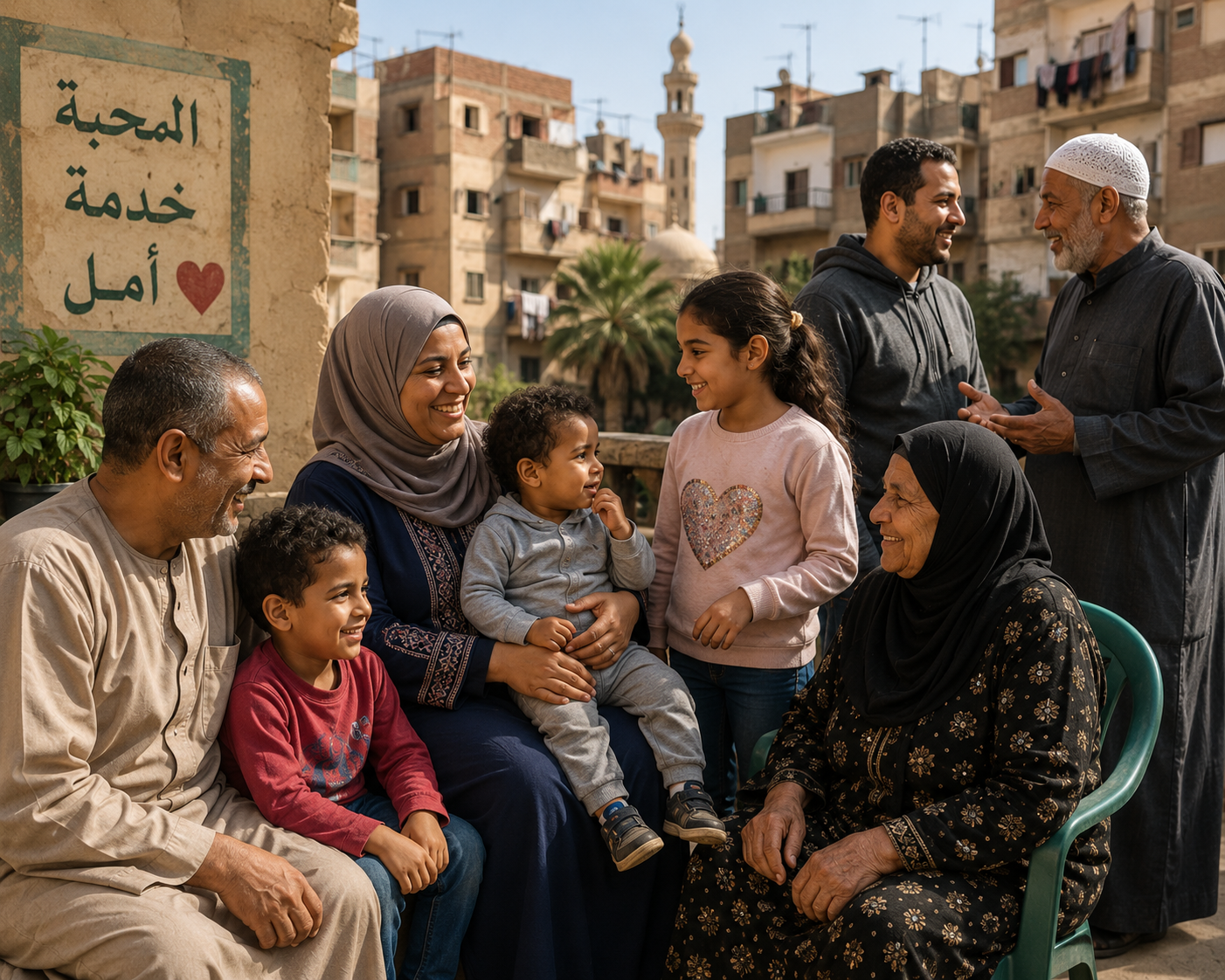
Family is one of the most important parts of daily life in Egypt. Many people have close relationships with parents, grandparents, siblings, cousins, and extended family members. Families often support one another through meals, childcare, finances, celebrations, advice, and difficult seasons.
Respect for parents and elders is highly valued. Grandparents and older relatives often play an important role in family life, offering wisdom, guidance, and care. Children are often taught to honor their parents, help at home, and stay connected to family.
Community is also important. In many neighborhoods, people know their neighbors, greet one another, share conversations, and help each other when needs arise. Weddings, holidays, meals, and family gatherings are meaningful times of joy and connection.
At the same time, family life can carry pressure. Parents may worry about work, rising costs, housing, school needs, medical care, and the future of their children. For Sudanese refugee families in Egypt, these pressures can be even greater as they rebuild life in a new country and search for stability, safety, and community.
Hospitality and Food
Hospitality is an important part of Egyptian culture. Guests are often welcomed warmly, and offering food, tea, or coffee can be a meaningful way to show kindness, respect, and friendship. Sharing a meal is not only about eating; it is often a way of building trust, honoring guests, and strengthening relationships.
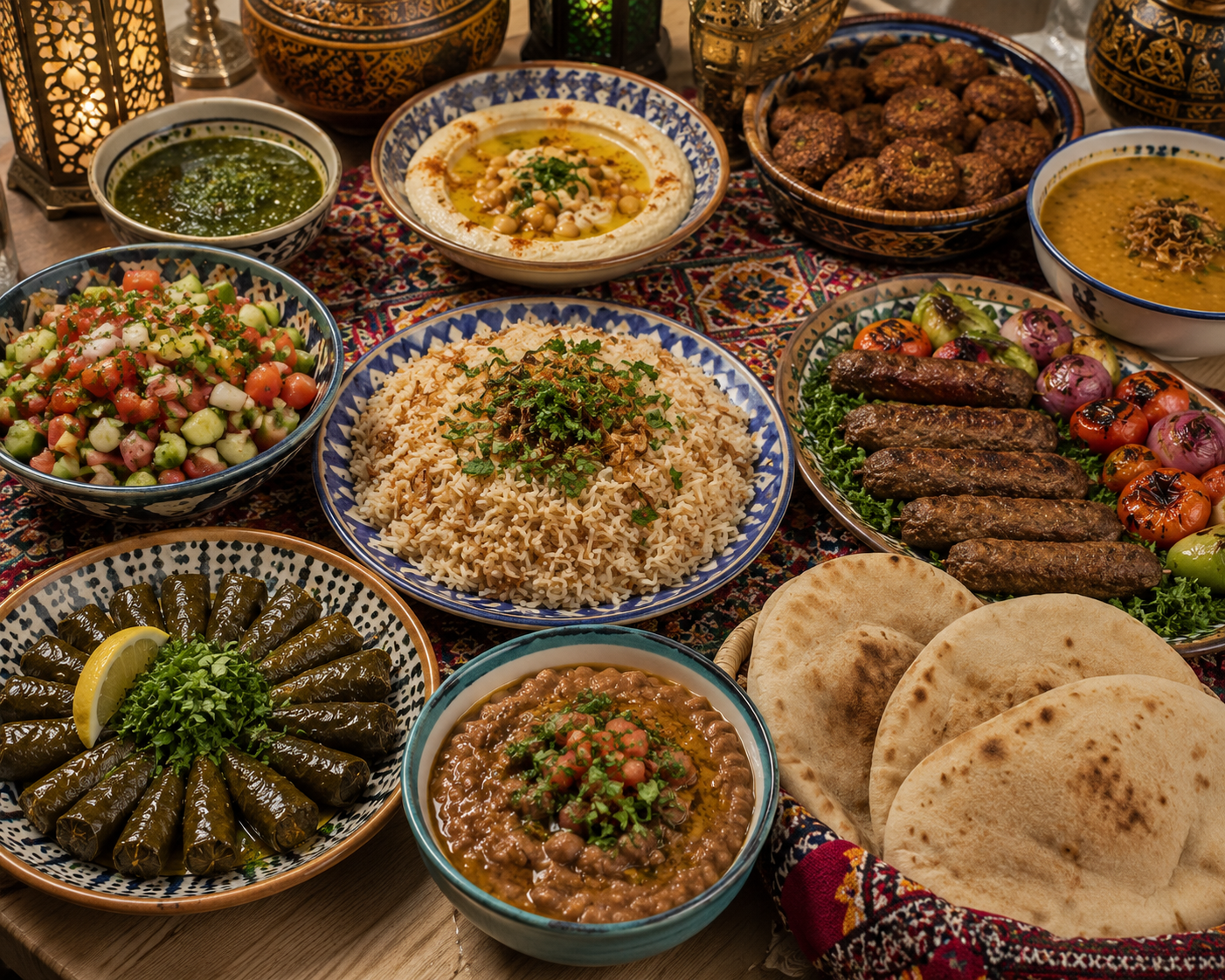
Food is a central part of family and community life. Many Egyptian meals include bread, beans, rice, lentils, vegetables, chicken, and fresh fruit. Common foods may include dishes such as ful medames, ta’ameya, koshary, molokhiya, and stuffed vegetables. Meals often bring families together and create space for conversation, laughter, and connection.
For many families, food is also connected to celebration. Weddings, holidays, family visits, and religious gatherings often include special meals and shared hospitality. Even simple food can become a powerful expression of love and care when it is shared generously.
At the same time, some families in Egypt face food insecurity and rising costs. For Sudanese refugee families, providing regular meals can be especially difficult as they search for work, housing, and stability in a new country. This makes food support an important part of compassionate ministry.
Through Holy Ministry, practical help such as food packages can remind families that they are seen, loved, and not forgotten. A meal or a bag of groceries can meet a real need while also pointing people to the care and hope of Christ.
Language and Communication
Arabic is the official language of Egypt, and Egyptian Arabic is most commonly spoken in daily life. People use it in homes, schools, markets, workplaces, and neighborhoods. Modern Standard Arabic is often used in formal writing, news, education, and official settings.
Communication in Egypt is often warm and relational. Greetings, respect, tone, and personal connection matter. Conversations may begin with polite questions about family, health, or well-being as a way of showing care.
For Sudanese refugee families, language can be both familiar and challenging. Many speak Arabic, but dialects, accents, and cultural expressions may differ. Ministries like Holy Ministry serve well by listening patiently, communicating clearly, and building trust with compassion.
Culture and Daily Life
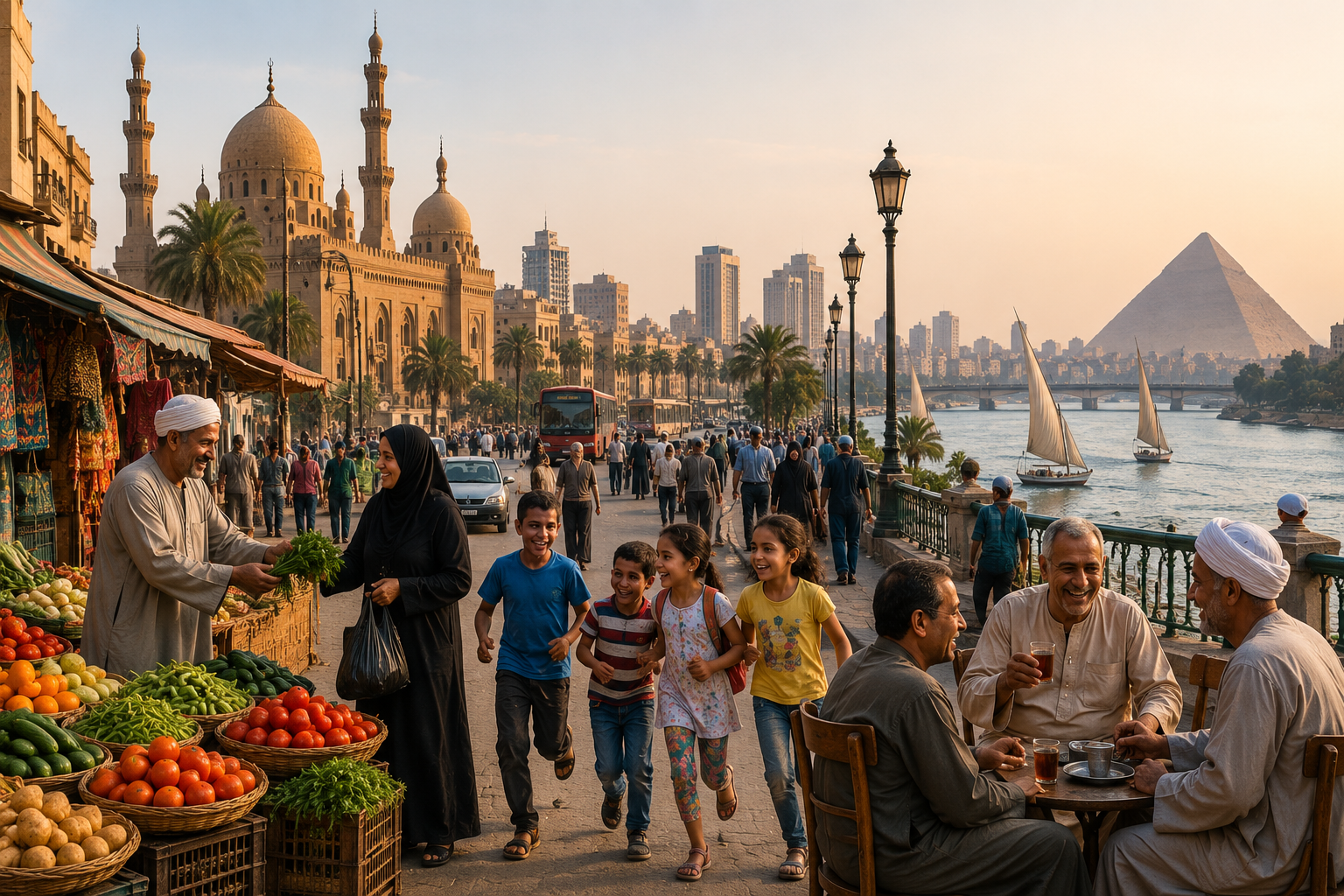
Egyptian culture is shaped by thousands of years of history, the Nile River, Arab culture, Islamic influence, Christian heritage, family traditions, and modern city life. Egypt is both ancient and modern. A person may walk past historic mosques, churches, markets, and monuments while also living in a fast-moving city filled with traffic, schools, businesses, phones, and busy neighborhoods.
Daily life often centers around family, work, school, faith, and community. Many Egyptians value hospitality, respect, generosity, loyalty, and care for family members. Guests are often welcomed warmly, and sharing tea, coffee, or a meal can be an important expression of friendship and honor.
Life can look very different depending on where someone lives. Some families live in crowded neighborhoods in Cairo, while others live in smaller towns, rural villages, or communities along the Nile. Some people work in offices, schools, shops, markets, transportation, construction, agriculture, healthcare, or small businesses. Others may struggle to find steady work or afford daily needs.
For Sudanese refugee families living in Egypt, daily life can include additional challenges. Families may be adjusting to a new country, searching for work, finding housing, enrolling children in school, and rebuilding a sense of stability after leaving home. Even in these challenges, families continue to show strength, love, faith, and hope.
Children and Education
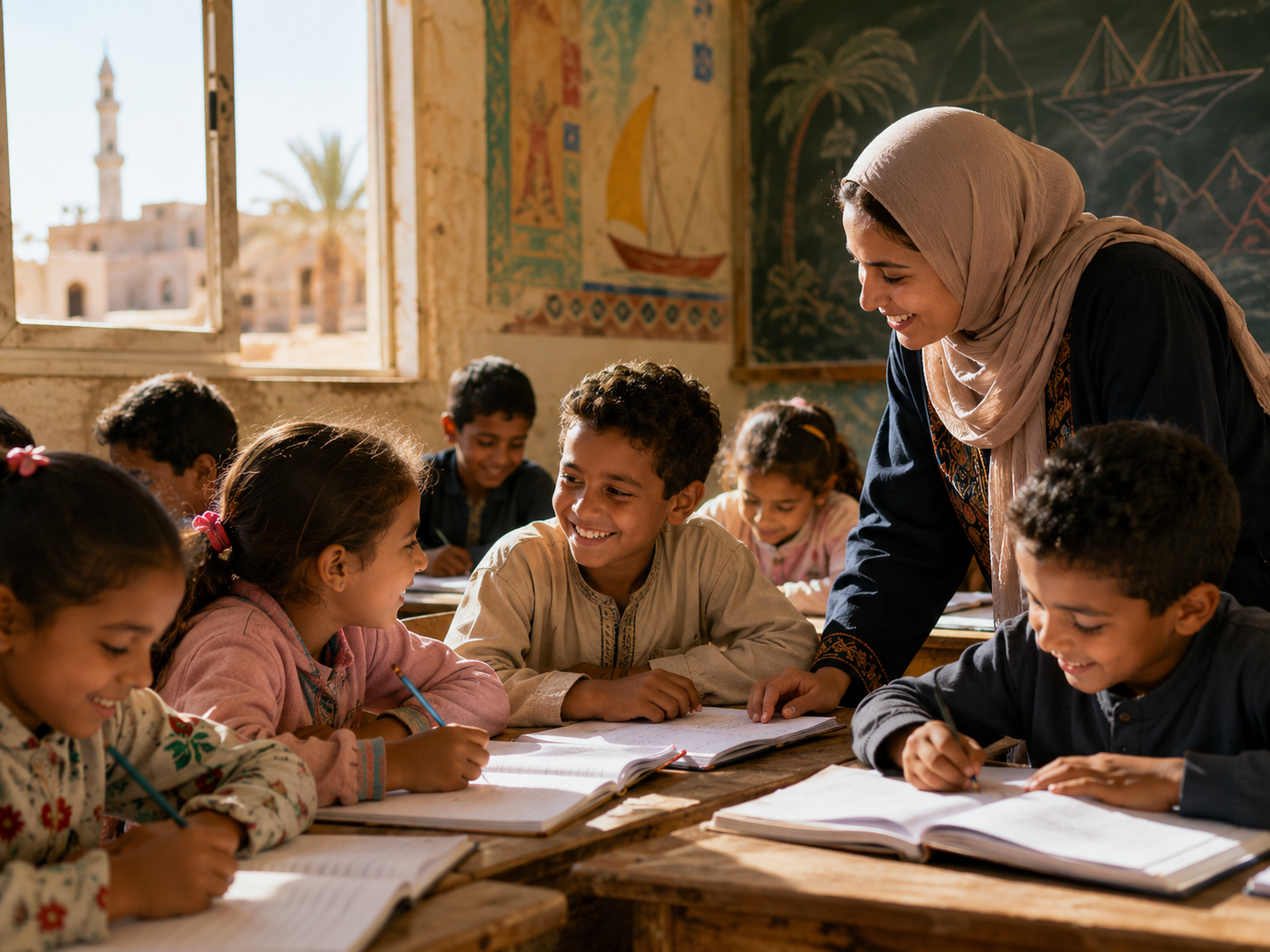
Children in Egypt, like children everywhere, have hopes, friendships, responsibilities, and dreams for the future. Many children attend school, spend time with family, help at home, and enjoy playing with friends in their neighborhoods and communities.
Education is important to many families because it can open doors for future opportunities. Parents often work hard to help their children learn, grow, and succeed. Schools can be places where children build friendships, gain confidence, and prepare for adult life.
Some children, however, face challenges such as poverty, crowded classrooms, transportation difficulties, or limited resources. For Sudanese refugee children in Egypt, education can be even harder because families may face instability, documentation issues, financial pressure, or the stress of adjusting to life in a new country.
Ministries like Holy Ministry help remind children and families that they are seen, valued, and loved by God. Through practical care, prayer, and encouragement, they help families find hope in difficult seasons.
Work and Daily Provision
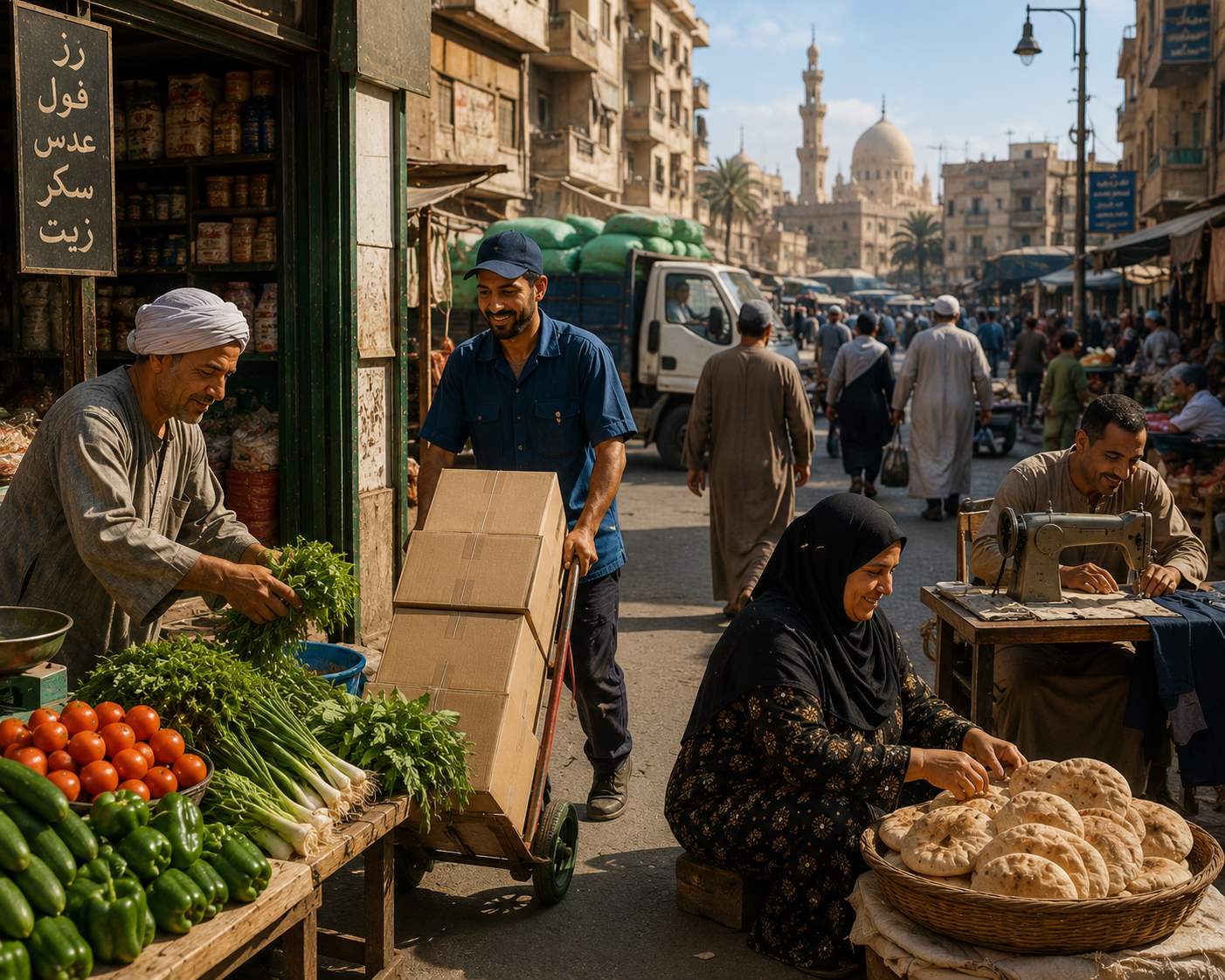
Many families in Egypt work hard each day to provide for their needs. People may work in schools, offices, shops, markets, transportation, construction, agriculture, healthcare, tourism, or small businesses. Others may work informal jobs with uncertain hours, low pay, or little stability.
Daily provision can be a major concern for many families. Food, rent, transportation, medicine, school costs, and basic household needs can place pressure on parents and caregivers. Even when families work hard, it can still be difficult to keep up with rising costs and unexpected needs.
For Sudanese refugee families in Egypt, finding steady work and providing for daily needs can be especially challenging. Many families are rebuilding life in a new country while facing uncertainty, limited resources, and the responsibility of caring for their children.
Ministries like Holy Ministry help meet practical needs through food, clothing, medicine, prayer, and encouragement. These acts of care help families feel seen, supported, and reminded of God’s love.
Sudanese Refugee Families in Egypt
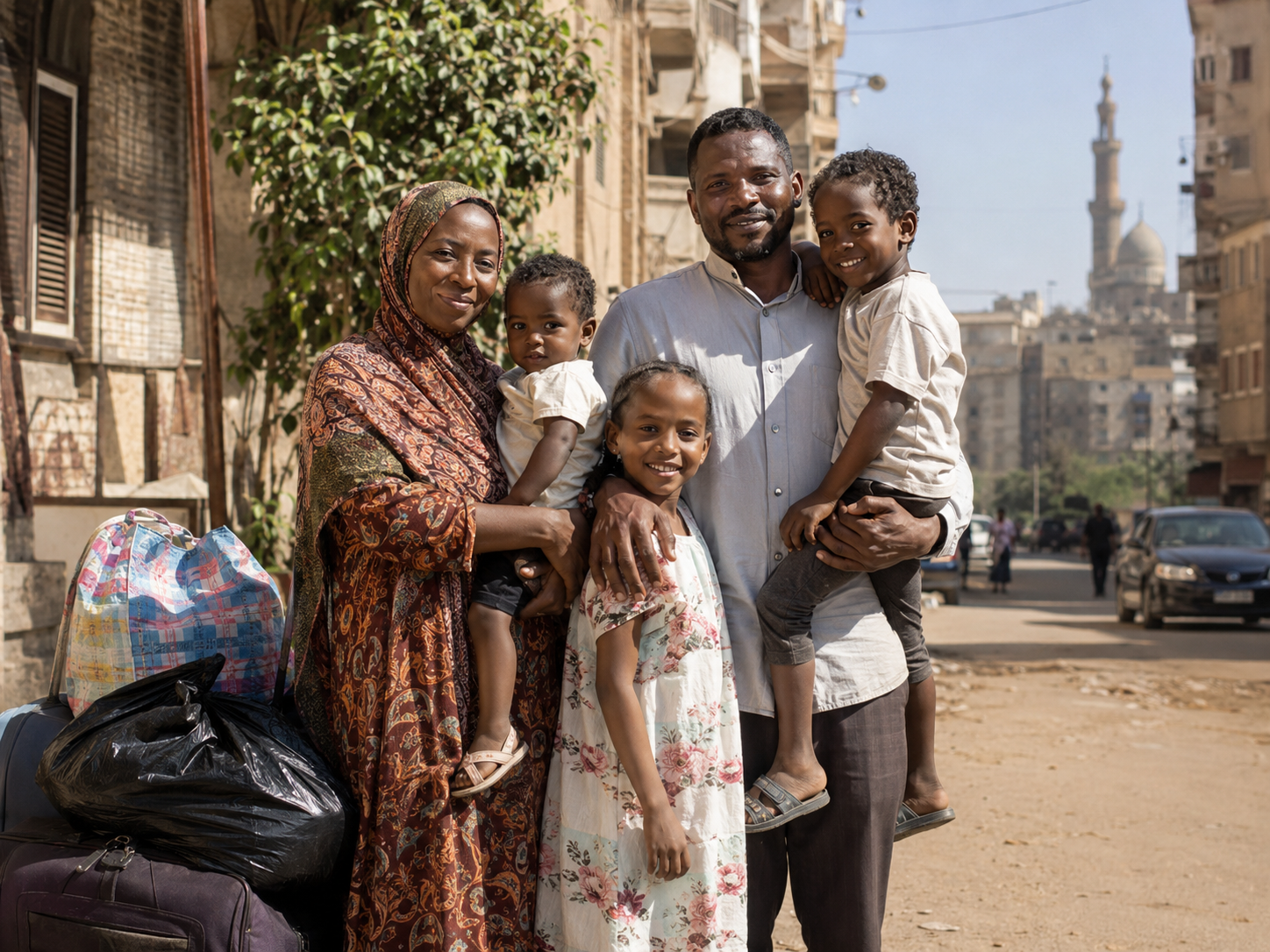
Many Sudanese families have come to Egypt seeking safety after facing war, danger, hardship, and instability in Sudan. Some have left behind homes, schools, jobs, churches, relatives, friends, and familiar communities. Arriving in a new country can bring hope, but it can also bring many new challenges.
For Sudanese refugee families in Egypt, daily life may include searching for safe housing, finding steady work, enrolling children in school, getting medical care, and rebuilding a sense of stability. Parents may carry heavy burdens as they try to provide for their children while also dealing with uncertainty, grief, and the pain of leaving home.
Children in refugee families may be adjusting to a new place, new routines, and sometimes new schools or communities. They need safety, friendship, encouragement, and people who remind them that they are loved and not forgotten.
Holy Ministry serves Sudanese refugee families in Cairo with compassion and the hope of Christ. Through food, clothing, medicine, Bibles, prayer, encouragement, and personal care, Sister Emily and her team help families know that God sees them and cares for them.